Sewer Backup Cleanup
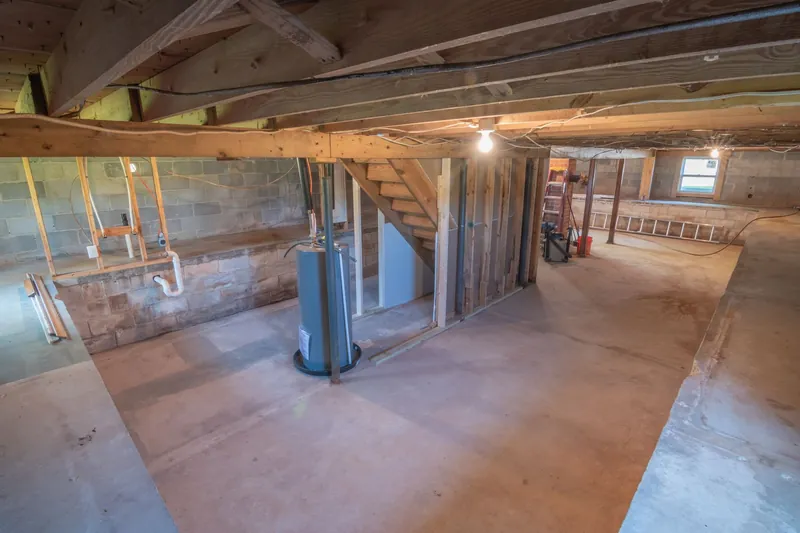
Sewer backup cleanup for basements, floor drains and lower levels.
See sewer backup cleanupGet Category 3 black water removed from a home, apartment, rental or business in Shiloh. Sewage cleanup includes contaminated material removal, cleaning, disinfection, odor control and structural drying.
Raw sewage cleanup means taking out Category 3 black water along with affected material, then disinfecting, cleaning in detail, treating odors and drying structural areas.
A broken sewer pipe or outdoor release can bring sewage onto a property. Backups may also come through toilets, showers and floor drains. Wastewater may hold bodily fluids, human waste, bacteria and additional hazardous material. What you see does not show the full extent. Liquid may spread into adjoining rooms, behind baseboards or beneath floors.
A sewage cleaning service addresses contamination after the flow has stopped. The cleanup process can include water extraction, removal of porous materials, surface cleaning, use of an EPA-registered disinfectant for the full label contact time, moisture checks and drying. A plumber repairs the pipe or blockage. Cleaning services then clean and dry what the backup affected.
Records can be arranged for property owners, managers and insurance companies, including moisture measurements, photos and a task-by-task scope.
You receive an explanation of what crews will remove, clean, extract, dry and record before the cleanup process moves ahead.
Calls are answered day and night. Share the sewage source, affected areas and any immediate hazards. Crews can come in unmarked vehicles.
Personal property is sorted by material and exposure, so items that may be cleaned are separated from items that cannot be safely kept.
Professional sewage cleanup is appropriate when wastewater reaches a building, crawl space or outdoor area and leaves contamination behind. Common situations include:
When sewage backs up in an office, store, apartment building or another business, access must be controlled during cleaning and drying.
When a sewer line or floor drain backs up, it can carry black water onto walls, concrete, stored items or finished flooring.
An overflow or line failure releases sewage onto a patio, into a yard or over another outdoor area near the building.
A shower or bathtub drain releases wastewater that contaminates floor items, baseboards, flooring and grout.
Limit contact first, then keep any additional wastewater out of the affected space. Take the following steps ahead of cleanup:
Call (888) 440-9227Published guides list many sewage cleanup projects from $2,000 to $10,000. A different published range runs from $1,500 to $8,000. Use these figures for planning, not as a set local price. Inspection establishes actual scope by considering the Category 3 water quantity, square footage involved, materials requiring removal, drying and waste disposal.
Published national cost guides are the source for these ranges, rather than an inspection of your property. After an on-site assessment, the price for your property is determined and shared with you before cleanup begins.
Ask about cost: (888) 440-9227Whether insurance applies depends on what caused the sewage backup, plus your policy's exclusions, limits and terms. Notify the insurer and ask directly whether sewer or drain backup coverage applies. When it is safe to wait, get clear instructions before taking further action.
A standard policy may treat sewer or drain backup differently from other water losses. Find out if you purchased sewer backup coverage and whether it applies to cleaning, removal and restoration work.
When a loss is not covered by insurance, cleanup costs usually fall to the property owner. Clarify the urgent work, the steps that can wait and the process for approving any revised scope.
Your insurance company can use photographs, disposal documentation, moisture measurements and a detailed work scope when evaluating the claim. Record your claim number and preserve copies of correspondence.
The lease, location of the failure and its cause can all affect who is responsible. Contact the owner or property manager, then save records showing the condition.
The sewage remediation process follows a controlled sequence that separates contaminated space, removes black water, cleans exposed surfaces and confirms that structural materials are dry. Trained technicians control every step of the entire process. The exact scope depends on what the wastewater touched because no single plan fits every situation.
Cleanup technicians examine the source and surrounding areas, record existing conditions and determine which materials wastewater reached.
The work zone is kept apart from clean spaces, access is controlled and cleanup personnel wear exposure-specific protective equipment.
Technicians use contaminated-water extraction equipment on standing wastewater and prevent collected liquid from moving into unaffected rooms.
Crews clear the affected area of wet insulation, carpet, padding, drywall and additional absorbent materials when thorough cleaning is impossible.
Remaining hard surfaces are cleaned first, then treated with an EPA-registered disinfectant for the full contact time shown on its label.
Removed material is contained and taken away according to the rules that apply to the waste and the location. The legal classification, including whether it is hazardous waste, depends on those rules.
After removal and cleaning, technicians manage structural drying with airflow, moisture checks and dehumidification.
Restoration services can move forward with new insulation, drywall or flooring after the cleaned area is inspected for lingering odor, moisture and overlooked damage.
Call any hour. Your raw sewage cleanup specialist answers the phone, describes what happens next and works with you on a start time.
A large or spreading sewage backup is not ordinary household water and should not be approached that way. Raw sewage may expose you to dangerous microorganisms, affected objects and moisture that is out of sight.
The EPA states that mold growth on wet material can begin within 24 to 48 hours. The process cannot stop after extraction. The structure must also be dried under controlled conditions and inspected for remaining moisture.
Bacteria, parasites and viruses may be present in wastewater. Avoid direct skin contact, splashes and contaminated dust, and keep loved ones with health concerns outside the affected area.
Sewage falls under Category 3 black water. Anything exposed to sewage needs a contamination-focused cleaning process because routine water extraction or mopping is not sufficient.
Can you clean it yourself? A minor spill limited to an intact hard surface outside might be manageable if the source is stopped, electricity poses no danger, and you can contain runoff while preventing exposure. Avoid mixing any chemical cleaners. Avoid the affected space and seek professional sewage cleanup if the waste spread indoors, entered a crawl space, touched porous material or has uncertain limits. Professional help allows exposure control and completion of the work.
Keeping a non-porous material may be possible when technicians can access, clean and disinfect its entire exposed surface. Materials with pores often need to come out after raw sewage absorption since contaminants can remain inside.
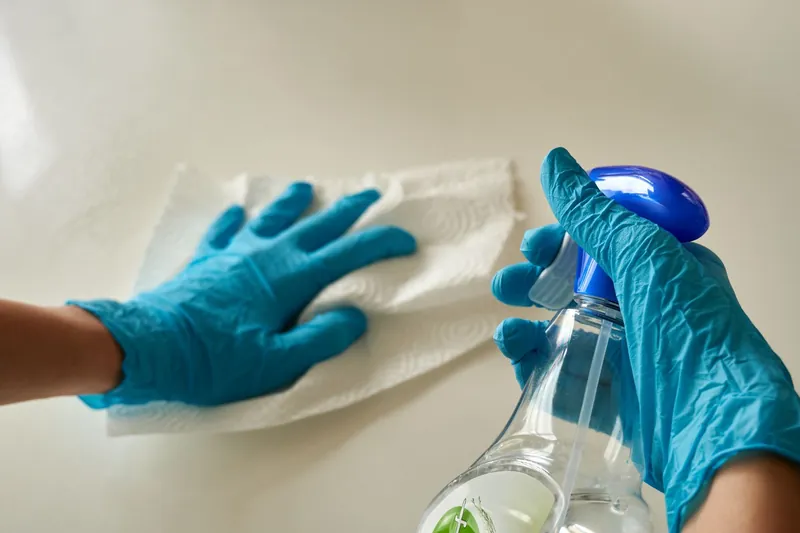
Cleanup treats untreated sewage as Category 3 black water. The work plan should address extraction, contaminated porous material, cleaning, disinfection and drying.
The product needs EPA registration for its intended purpose and must stay wet as long as the label contact time requires.
Sewage-soaked drywall, carpet and pad are bagged and taken to an approved disposal site under local and Ohio rules, so they do not go out with household trash.
Local health and building rules can affect how a contaminated room is cleaned and when it can be used again, so mention any notice you have received from the city or county.
There is no single safe timeline for sewage cleanup. The work continues through extraction, removal, cleaning and drying, and the space should not move to restoration until moisture readings and the final check support that decision.
The full raw sewage cleanup guide covers what is cleaned or removed, odor and air quality work, and the rules that apply in Ohio and Montgomery County.
Read the full raw sewage cleanup guideLocal population patterns, housing and site access may affect how containment and cleanup are planned.
At 52.1% renter occupancy, access rules and communication with building management can shape how quickly a contaminated area is isolated.
Local housing centers on 1961, making inspection beneath finished surfaces important when contamination extends past the visible area.
About 1,108 older residents live alone in Shiloh, representing 45.4% of seniors and making regular welfare checks especially meaningful.
At 52.6% single-family housing, crews should confirm entrances, neighboring units, and ventilation before setting the cleanup boundary.
Ask on the call about cleanup options for neighboring communities and ZIP codes.
Sewer backup cleanup for basements, floor drains and lower levels.
See sewer backup cleanup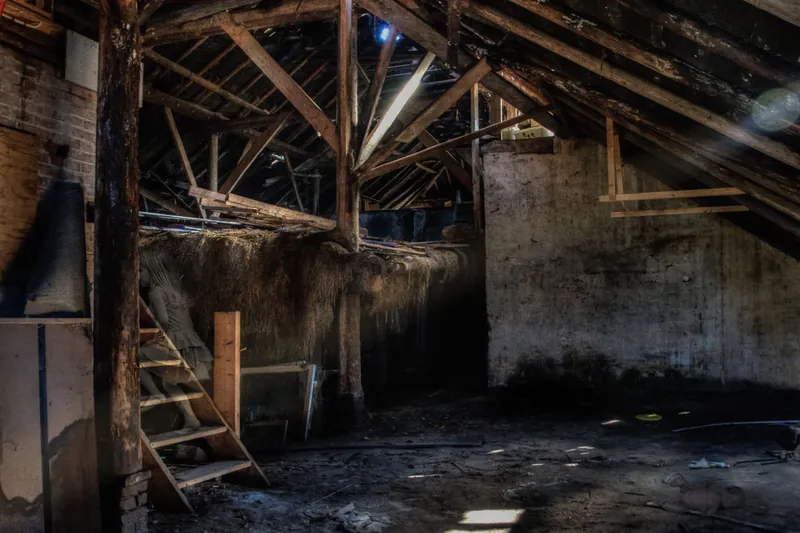
Crawl space sewage cleanup addresses wet insulation and affected soil.
See crawl space sewage cleanup
Disinfection accompanies human feces cleanup in public restrooms, homes and rental properties.
See human feces cleanup
Cleanup removes infectious material, including blood and body fluids, and disinfects the property.
See biohazard cleanup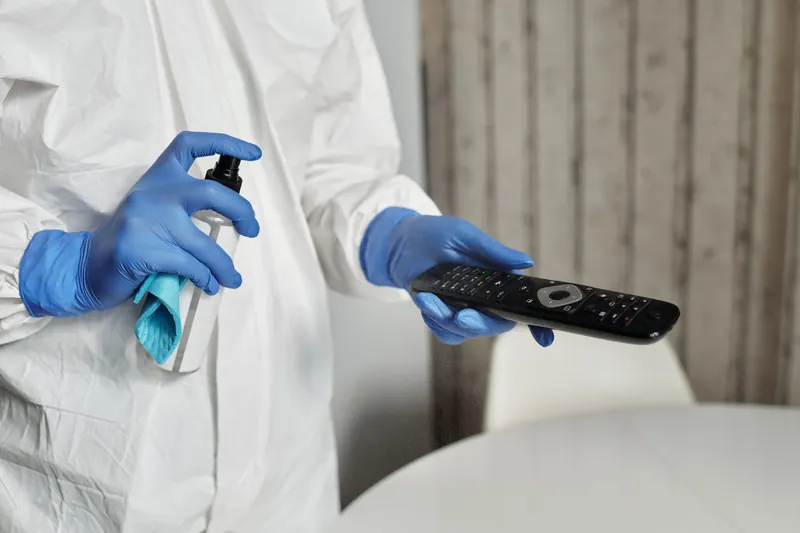
Biological remediation removes contamination so the space can be safely used again.
See biohazard remediation
Site access and operating needs guide planning for commercial and industrial biohazard cleanup.
See commercial and industrial biohazard cleanup
Rental property biohazard cleanup covers hotels and Airbnb units as well as rentals.
See hotel, airbnb and rental biohazard cleanup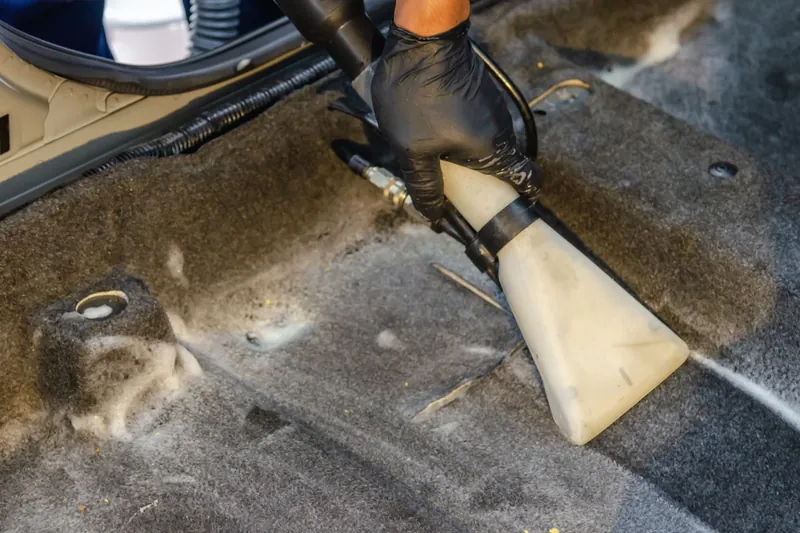
Carpet and upholstered items receive biohazard cleaning or are removed safely if necessary.
See biohazard carpet and upholstery cleaningThe usual role of a plumber is finding and correcting the failed fixture, pipe break or blockage behind the backup. Sewage cleanup services deal with contamination remaining inside the structure. Clarify each company's scope so responsibility is assigned for repairing the pipe, extracting water, removing materials, disinfecting surfaces and drying the structure.
Keep the bathroom shut and do not use water. Wait for repair of the underlying problem before running that shower or flushing a nearby toilet. Treat a small release on intact hard material differently from sewage that spread outside, traveled through grout or reached wallboard. If the edge of contamination is unclear, call for professional sewage cleanup.
Cleanup begins by removing the standing wastewater. After cleaning visible soil off the concrete, apply an EPA-registered disinfectant and follow the contact time printed on its label. Because wastewater may spread farther than the stain you see, inspect adjacent porous items, wall edges, joints and concrete cracks. Cleaning is followed by structural drying and a last odor assessment.
Keep people and pets away, stop the source and prevent sewage from reaching clean areas or storm drains. Proper steps reflect spill size, surface type, drainage and local guidance. Large spills, repeated backups and contamination near buildings or public areas need professional sewage removal and guidance from the appropriate local authority.
There is no single timetable that applies to every person or exposure. Do not touch the sewage. Wash skin that was exposed with soap and clean water. If sewage was swallowed, entered your eyes, touched broken skin, or you develop symptoms, contact a medical professional or poison control for advice about your situation.
After correcting the cause, crews restrict entry and remove waste that remains pooled in the crawl space. Sewage-exposed porous items, including insulation, might have to be discarded. After reachable surfaces are cleaned and treated with disinfectant, the area below the home is dried and inspected for dampness. Hidden pipes, difficult access or exposed soil may require adjustments to cleanup steps.
Discreet, respectful raw sewage cleanup, 24 hours a day, with crews in unmarked vehicles.